Full grain vs top-grain vs genuine leather: what to buy and why
The Quest for Quality
If you’re searching for “what is full grain leather“, you are likely standing at a crossroads. Perhaps you’re considering a significant purchase—a timeless leather wallet, a pair of boots that will walk with you for years, or a sofa intended to be the heart of your living room. Your search is driven by a desire to understand true quality and make an informed decision that transcends fleeting trends.
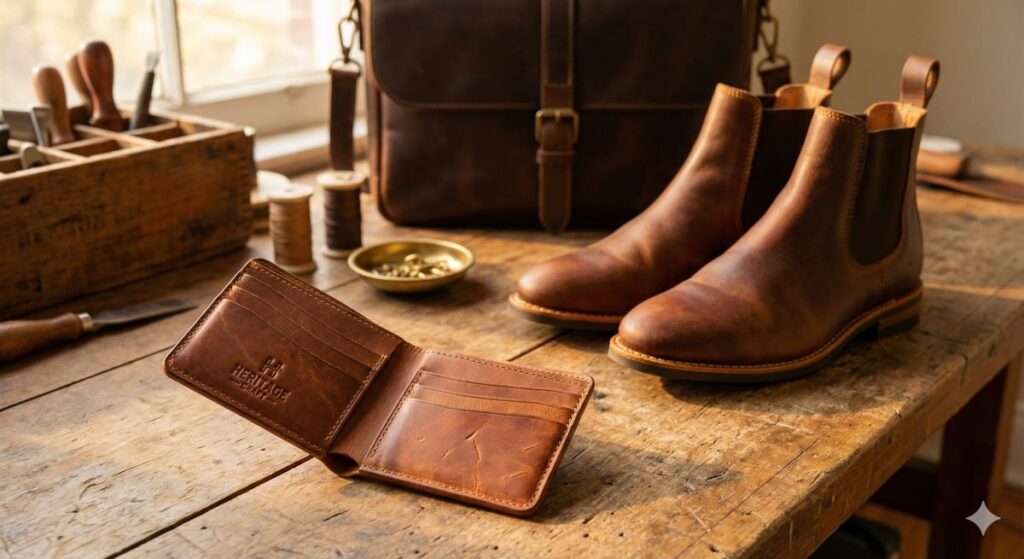
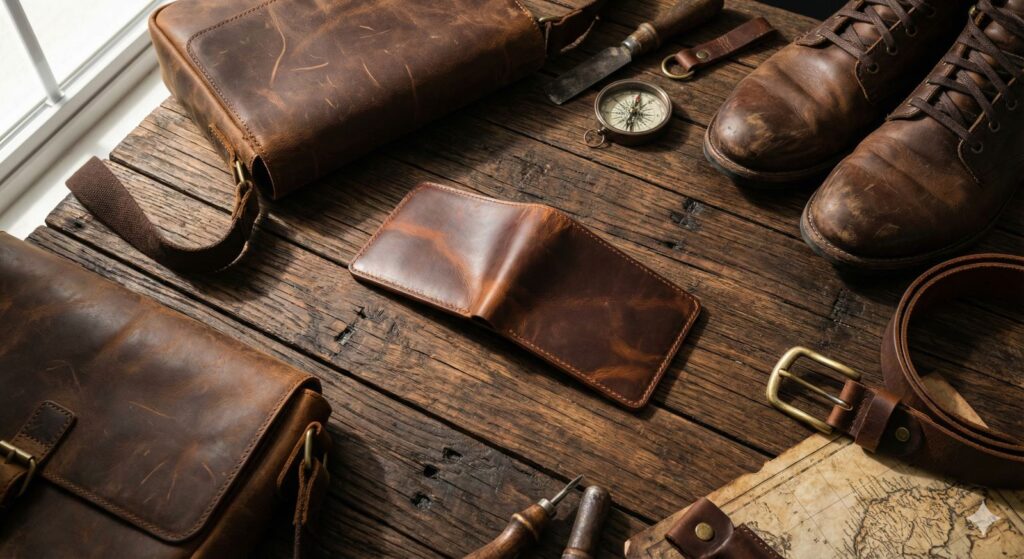
Full grain leather represents the pinnacle of leather quality, a standard against which all other grades are measured. It is the material of choice for luxury and heritage brands that build their reputations on craftsmanship and longevity. From the iconic satchels carried by adventurers to the sophisticated shoes worn by executives, full grain leather is a symbol of enduring value.
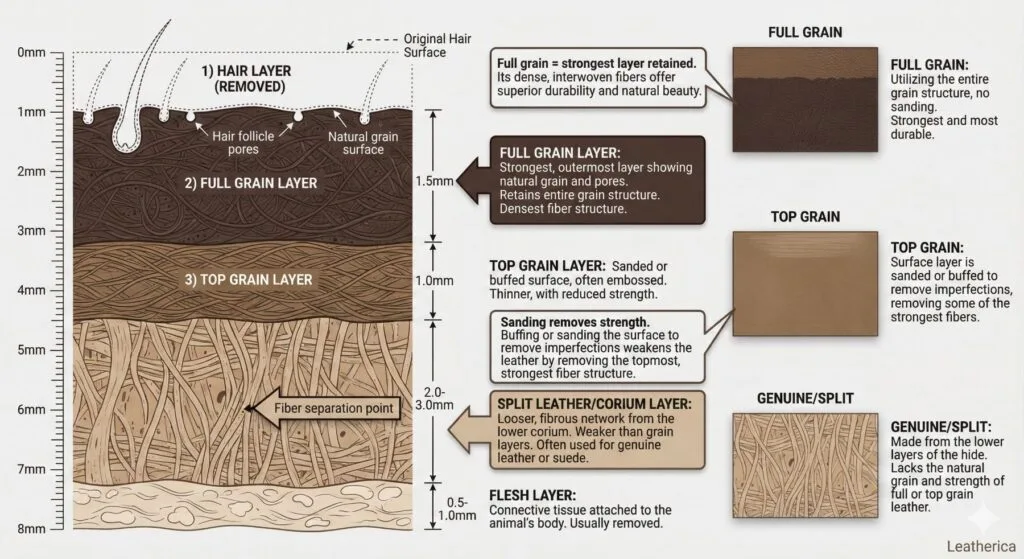
Full grain leather is the highest grade of leather available. It comes from the very top layer of the animal’s hide and includes the complete, natural grain. This means it is not sanded or buffed, preserving its inherent strength, breathability, and unique surface characteristics.
This guide will delve into what makes this material so exceptional. We will explore its unique benefits, from its unparalleled durability to the beautiful patina it develops over time. By understanding why full grain leather commands a higher price, you will be equipped to recognize genuine quality and invest in products that not only last but also tell a story.
What is Full Grain Leather? A Definitive Explanation
At its core, full grain leather is the most authentic and natural form of leather. It is derived from the outermost layer of the hide, just below the hair, and its surface is left completely intact. This layer, known as the grain, contains the strongest and most densely packed fibers, which is the source of its legendary durability.
A key characteristic of full grain leather is the presence of natural markings. Scars from encounters with barbed wire, insect bites, or wrinkles from the animal’s life are not defects; they are hallmarks of authenticity. These imperfections are a testament to the leather’s unprocessed nature, proving that you are holding a piece of genuine, high-quality material.
Because it is not sanded, buffed, or corrected in any way, the fibrous structure of the hide remains undisturbed. This minimal processing ensures that the leather retains its maximum strength and resilience. While other leather grades are mechanically altered to create a uniform appearance, full grain celebrates the raw, unblemished beauty of the natural hide.
To directly answer a common query: yes, full grain leather is unequivocally real leather. In fact, it is the most real leather you can buy. It is typically sourced from cowhide, which is prized for its thickness and durability, but it can also be made from other sources like buffalo, bison, or goat, each offering slightly different textures and characteristics.

How Full Grain Leather is Made: A Process of Preservation
The creation of full grain leather is a meticulous process that prioritizes the preservation of the hide’s natural integrity. It is less about transformation and more about enhancement, requiring both skill and patience.
Step-by-Step Production:
Hide Selection
The process begins with the careful selection of hides. Only the highest-quality raw hides, those with minimal scarring and blemishes, are suitable for full grain leather. This scarcity is a primary driver of its higher cost, as fewer than 5% of all hides processed are deemed worthy.
Tanning
Next, the hide undergoes tanning, a crucial step that converts the raw skin into a stable, non-perishable material. The two primary methods are vegetable tanning and chrome tanning.
- Vegetable Tanning: An ancient, artisanal method that uses natural tannins from tree bark and other plant matter. This slow process can take weeks or even months, but it yields a firm, earthy leather that develops a rich, beautiful patina over time.
- Chrome Tanning: A more modern, industrial process using chromium salts. It is much faster, often completed in a single day, and produces a softer, more pliable leather that is more resistant to water and heat.
Dyeing and Finishing
After tanning, the leather is dyed. High-quality full grain is often aniline or semi-aniline dyed, which means the dyes are transparent and penetrate the leather without coating the surface. This allows the natural grain and markings to show through. Finally, a light, non-pigmented protective finish may be applied to provide some resistance to stains and spills without compromising the leather’s breathability.
The minimal processing involved is the secret to full grain’s superiority. While both artisanal and industrial methods can produce full grain leather, the tanning method significantly influences the final product’s characteristics. Vegetable-tanned leather is often sought for classic goods where structure and patina are desired, while chrome-tanned leather is ideal for items requiring softness and color consistency, like upholstery or flexible bags.
Full Grain vs. Other Leather Grades: A Clear Comparison
Understanding the hierarchy of leather grades is essential for any discerning consumer. The terminology can be misleading, but the differences in quality, durability, and cost are significant.
Top Grain Leather:
The second-highest quality grade. The top layer of the hide is lightly sanded or buffed to remove imperfections, and a pigmented finish is applied. This creates a more uniform and stain-resistant surface but sacrifices some durability and breathability.
Genuine Leather (Corrected Grain):
A lower-quality grade. This leather has had its natural grain completely sanded off and an artificial grain pattern stamped onto its surface, along with a heavy pigment coating. It is less durable and does not develop a patina.
Split Leather:
Created from the lower, fibrous part of the hide (the “split”) that is left after the top grain is separated. It is often coated with polymer and embossed to resemble a higher grade. It is commonly used for suede or as a backing material.
Bonded Leather:
The lowest quality. It is made from leftover leather scraps and fibers that are shredded and bonded together with polyurethane or latex onto a fiber sheet. It is essentially the particleboard of the leather world and lacks durability.
Comparison Table: Leather Grades at a Glance
| Feature | Full Grain Leather | Top Grain Leather | Genuine Leather | Bonded Leather |
| Appearance | Natural grain, unique markings | Uniform, smooth surface | Artificial stamped grain | Plastic-like, uniform |
| Durability | Highest | Very high | Moderate | Low |
| Patina | Develops a rich patina | Develops a slight patina | Does not develop a patina | Peels and cracks |
| Breathability | Excellent | Good | Low | None |
| Cost | Highest | High | Moderate | Lowest |
| Longevity | Decades, lifetime | 10-15+ years | 1-5 years | Less than 1 year |
A common misconception is that “genuine leather” signifies high quality. In reality, it is often a label for one of the lower grades. When choosing a product, your decision should align with your priorities. For a heritage piece that will last a lifetime, full grain is the only choice. For a fashion-forward item on a budget where durability is less critical, top grain or even genuine leather might suffice.
Why Full Grain Leather is the Best: An Investment in Excellence
The superiority of full grain leather is not a matter of opinion but a fact rooted in its physical properties and performance over time. It stands apart as the ultimate choice for those who value quality, longevity, and timeless style.
Unmatched Strength and Durability
The primary reason full grain leather is its strength. By preserving the entire grain structure, the densest and strongest part of the hide, the leather maintains its maximum tensile strength. This means it can withstand stress, pulling, and flexing far better than any other grade, making it resistant to tearing and puncture.
The Signature Patina
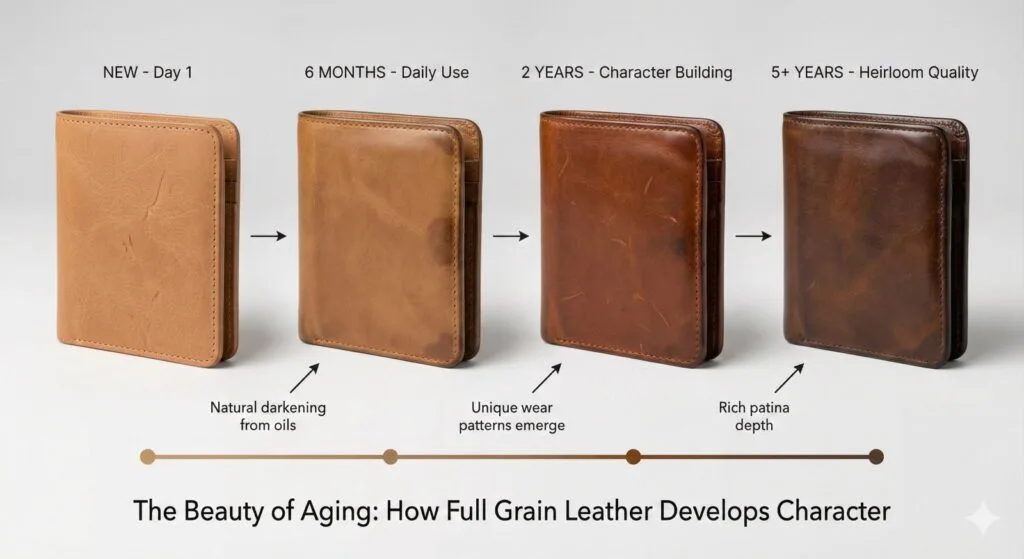
One of the most cherished qualities of full grain leather is its ability to develop a patina. Over time and with use, the leather absorbs oils from your hands, sunlight, and moisture from the air, creating a unique sheen and darkening in color. This aging process is not a sign of wear but a mark of distinction, telling the story of the product’s life and adding character that cannot be replicated.
Superior Breathability
Unlike corrected leathers that are sealed with a plastic-like coating, full grain leather is highly breathable. Its natural pores remain open, allowing moisture to evaporate. This is particularly important for items worn close to the body, such as shoes, jackets, and watch straps, as it prevents sweat from being trapped and enhances comfort.
Exceptional Longevity
A product made from high-quality full grain leather is not a disposable item; it is an heirloom in the making. With proper care, it can last for decades, often outliving its original owner. While the initial cost is higher, its longevity makes it a far more economical and sustainable choice in the long run. It is a true “buy it for life” material.
Ultimately, full grain leather should be viewed as a long-term investment. It is a commitment to craftsmanship, sustainability, and a rejection of the throwaway culture that dominates modern consumerism.
How to Identify Full Grain Leather: A Buyer’s Guide
Distinguishing authentic full grain leather from lower grades or imitations requires a trained eye and a sense of touch. By knowing what to look for, you can shop with confidence and ensure you are getting the quality you pay for.
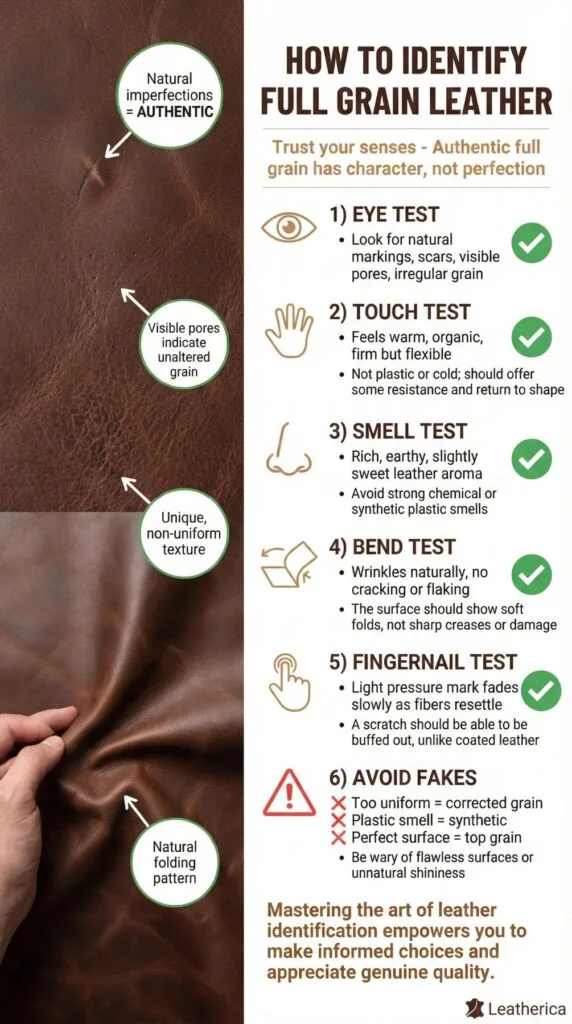
Visual Cues
- Natural Markings: Look closely at the surface. You should see small, unique imperfections like scars, veins, wrinkles, and variations in the grain pattern. A perfectly uniform, flawless surface is often a red flag for corrected grain or faux leather.
- Visible Pores: The pores of the animal’s hair follicles should be visible under close inspection. This is a clear indicator that the grain has not been sanded away.
- Rich Color Depth: High-quality aniline or semi-aniline dyes penetrate the leather, giving it a deep, rich color that seems to come from within, rather than looking like a painted-on layer.
Tactile Cues
- Firm but Flexible Feel: Full grain leather has a substantial, firm hand feel, yet it should also be pliable and not feel stiff or plasticky. As you bend it, it should wrinkle naturally.
- Warm to the Touch: Real leather, especially full grain, feels warm and organic to the touch. Synthetic materials often feel cool and inert.
Aroma
- Distinct Leather Smell: Full grain leather has a rich, earthy, and slightly sweet aroma that is unmistakable. If a product smells strongly of chemicals, plastic, or has no scent at all, it is likely not full grain.
Be cautious of “tests” you may see online. The burn test can permanently damage a product, and the scratch test can be misleading, as even full grain leather will scratch. A better approach is to press your fingernail into the leather; on full grain, the mark will temporarily appear and then slowly fade as the fibers resettle.
Finally, be wary of marketing language. Some brands may label top grain products as “full grain” to command a higher price. Trust your senses and look for the authentic, imperfect characteristics that define true full grain leather.
Common Uses of Full Grain Leather: Where Quality Matters Most
Full grain leather’s combination of strength, beauty, and longevity makes it the material of choice for products where durability and luxury are paramount. It is used across a wide range of industries to create heritage-quality goods that stand the test of time.
Key Applications
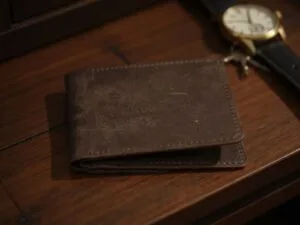
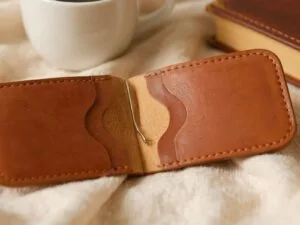
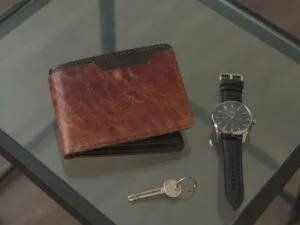
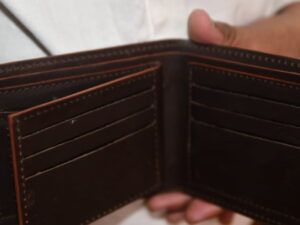
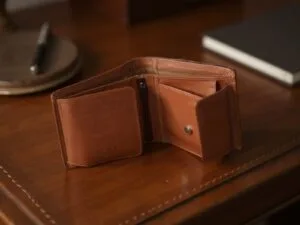
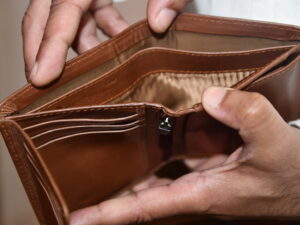
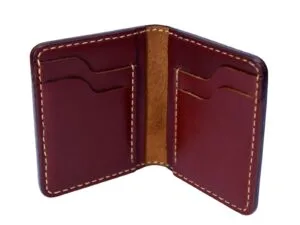
- Luxury Accessories: High-end full grain Leather Wallets, handbags, belts, and briefcases are classic examples. Brands like Hermès and Louis Vuitton have built their legacies on the quality of their leather goods, which are designed to be passed down through generations.
- High-Quality Footwear: Boots and dress shoes made from full grain leather mold to the wearer’s foot over time, offering unparalleled comfort and support. The material’s durability ensures they can be resoled multiple times, extending their life indefinitely.
- Fine Furniture: Sofas, armchairs, and ottomans upholstered in full grain leather are the epitome of luxury and comfort. The leather’s breathability makes it comfortable in both warm and cool climates, and its ability to develop a patina adds warmth and character to a room.
- Automotive Interiors: Luxury car manufacturers like Rolls-Royce, Bentley, and Aston Martin use full grain leather extensively for seats, dashboards, and door panels to create an environment of opulence and craftsmanship.
- Equestrian and Heavy-Duty Gear: The exceptional strength of full grain leather makes it ideal for items that endure significant stress, such as saddles, harnesses, and tool belts. Thicker hides, often from bulls or buffalo, are used for these demanding applications.
Brands and artisans choose full grain leather because it communicates an unwavering commitment to quality. In a world of mass production, a full grain product is a statement piece—a tangible connection to traditional craftsmanship and enduring value.
The Cost and Value of Full Grain Leather
There is no denying that full grain leather products come with a premium price tag. This cost is not arbitrary; it is a direct reflection of the material’s quality, the complexity of its production, and its inherent value.
Why Is It So Expensive?
- Scarcity of Hides: Only the cleanest, most blemish-free hides can be used for full grain leather. This selectiveness immediately limits the supply and increases the cost of the raw material.
- Labor-Intensive Processes: The careful handling, slow tanning (especially vegetable tanning), and skilled finishing required to produce full grain leather are far more labor-intensive and time-consuming than the automated processes for lower grades.
- Durability and Yield: The entire thickness of the grain is used, meaning one hide yields less surface area compared to splitting it into multiple layers for lower-quality products. Its durability means you are paying for a product that will not need to be replaced.
- Luxury Branding: Prestigious brands that use full grain leather also factor in their design, marketing, and reputation into the final price.
The Cost-Per-Use Argument
While the upfront cost is high, the true value of full grain leather is revealed over its lifespan. Consider a full grain leather belt that costs $150 but lasts for 20 years, versus a “genuine leather” belt that costs $30 but needs to be replaced every two years. Over two decades, you would spend $300 on the cheaper belts, while the full grain belt would still be going strong, looking better than ever.
Is it worth it? If your priorities are longevity, performance, and timeless style, the answer is an emphatic yes. A full grain leather jacket, for example, might cost between $500 and $2,000, while a high-quality sofa could range from $5,000 to $15,000 or more. These are investment pieces that provide decades of use and satisfaction, making their long-term value undeniable.
How to Care for Full Grain Leather: Preserving Your Investment
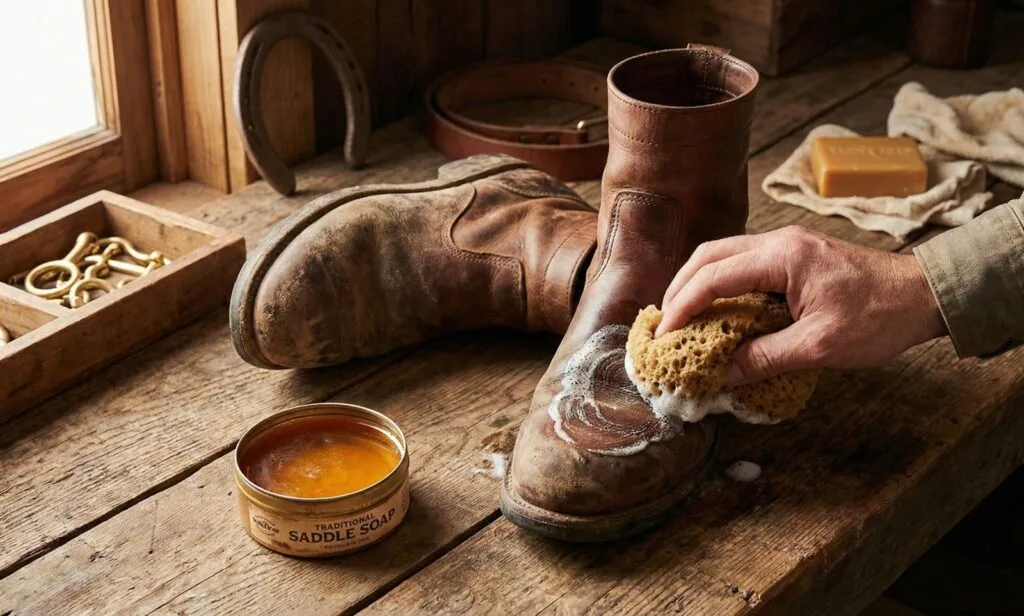
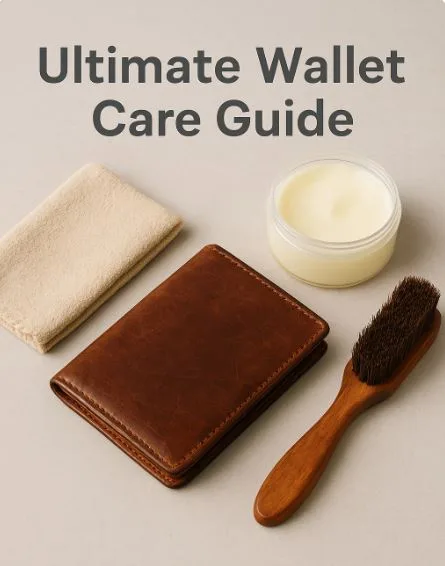
Proper care for leather is essential to maximizing the lifespan of your full grain leather products and ensuring they age gracefully. The goal is not to keep them looking brand new, but to nourish the leather so it can develop its signature patina while remaining strong and supple.
Cleaning
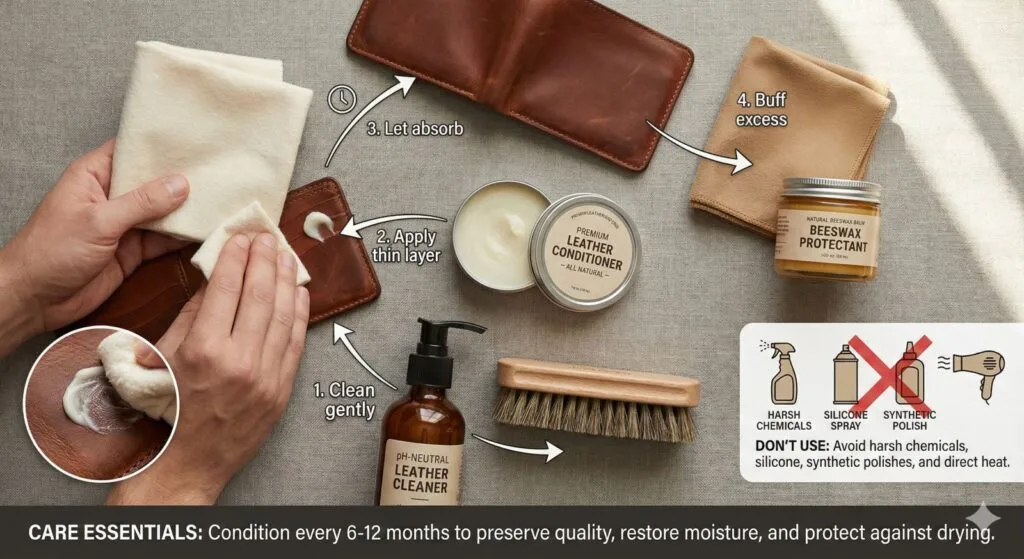
For general cleaning, simply wipe the surface with a dry or slightly damp, soft cloth. For more stubborn dirt, use a pH-neutral leather cleaner. Apply a small amount to a cloth, not directly to the leather, and test it on an inconspicuous area first. Gently wipe the surface without scrubbing.
Conditioning
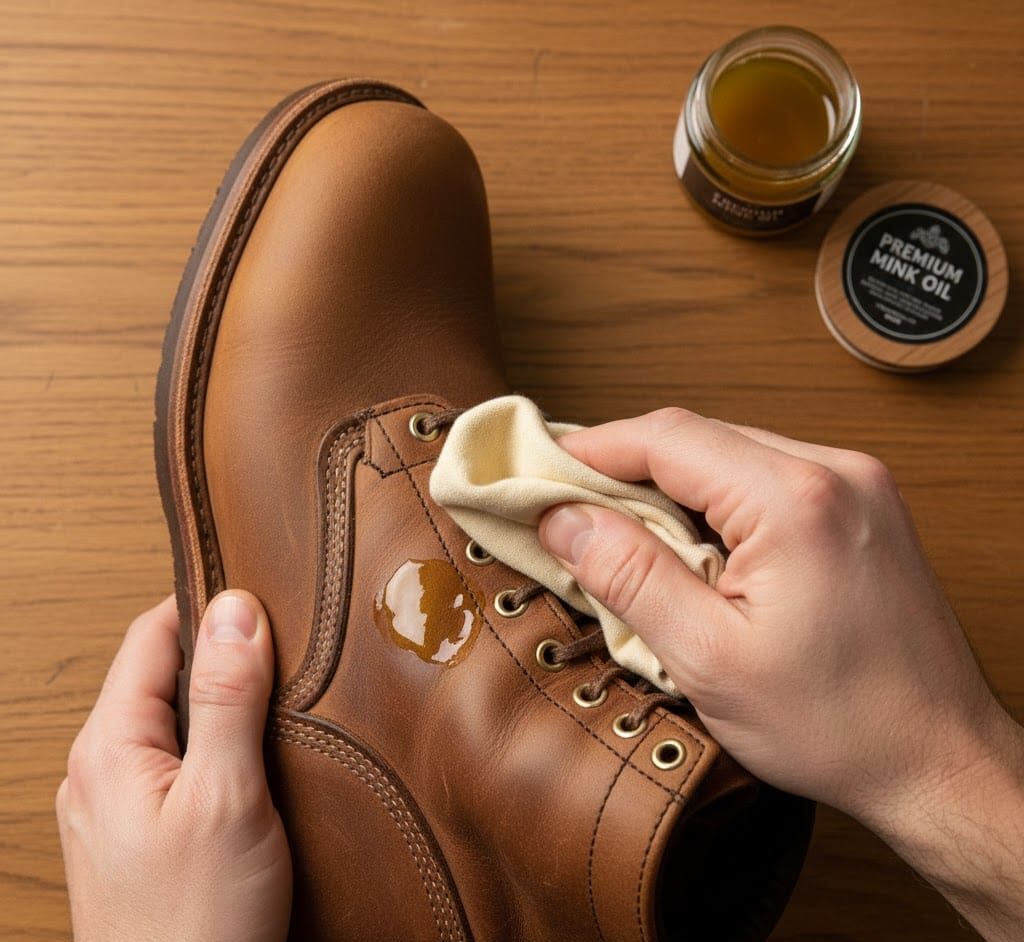
Leather is a natural skin and can dry out over time. Regular conditioning replenishes its natural oils, keeping it flexible and preventing cracks.
- Apply a high-quality leather conditioner or a natural beeswax-based product every 6-12 months, or more often if the item is exposed to harsh conditions.
- Use a clean cloth to apply a thin, even layer in a circular motion.
- Let it sit for about an hour, then buff off any excess with another clean cloth.
Environmental Protection
- Moisture: While full grain leather has some natural water resistance, it is not waterproof. If it gets wet, pat it dry with a soft cloth and let it air dry naturally. Never use a hairdryer or place it near a heat source, as this can cause it to shrink and crack.
- Heat and Sunlight: Avoid storing leather goods in direct sunlight or near radiators, as prolonged exposure can cause fading and drying.
- Storage: Store leather items in a cool, dry, and well-ventilated area. Use a breathable fabric bag (like cotton) for bags or jackets; avoid plastic, which can trap moisture and lead to mildew.
A crucial warning: always avoid harsh chemicals, household cleaners, and silicone-based products, as they can damage the natural finish. Similarly, be careful not to over-condition, as this can clog the leather’s pores and make it feel greasy.
Myths and Misconceptions About Full Grain Leather
The world of leather is filled with misinformation. Debunking these common myths will help you make more informed decisions and set realistic expectations for your full grain leather products.
Myth 1: Full Grain Leather is Scratch-Proof
Fact: This is false. Because its natural surface is left intact, full grain leather will and does scratch. However, many minor scratches can be buffed out with your fingers, as the oils from your skin help to blend them into the patina. These marks become part of the leather’s unique story.
Myth 2: It’s Always Vegetable-Tanned
Fact: While vegetable tanning is a traditional and highly regarded method, full grain leather can also be chrome-tanned. The tanning method affects the leather’s properties (firmness vs. softness, patina development) but not its grade. Both methods can produce exceptional full grain leather.
Myth 3: It’s Naturally Waterproof
Fact: Full grain leather is water-resistant, not waterproof. Its dense fiber structure can repel light moisture, but it will become saturated if exposed to heavy rain. Waterproofing treatments are available but may affect the leather’s breathability and how it develops its patina.
Myth 4: All Expensive Leather is Full Grain
Fact: Price is not always a reliable indicator of quality. Many high-fashion luxury brands use top grain or even corrected grain leather because it offers a uniform, flawless look that suits a particular design aesthetic. They command high prices due to their brand name, not necessarily the grade of the leather.
Myth 5: Thicker Leather is Always Better
Fact: While thickness often correlates with durability, it can also affect comfort and flexibility. A heavy-duty belt requires thick leather, but a supple jacket or a pair of gloves benefits from a thinner, more pliable full grain hide. Quality is about the integrity of the grain, not just its thickness.
How to Choose and Buy Full Grain Leather Products
Armed with knowledge, you are now ready to make a purchase. Choosing the right full grain leather product is about more than just picking a style; it’s about assessing craftsmanship and buying from a reputable source.
Look for Signs of Quality
- Examine the Surface: Look for the natural, imperfect grain we’ve discussed.
- Check the Stitching: High-quality products will have neat, even, and tight stitching, often done with a heavy-duty thread.
- Inspect the Hardware: Zippers, buckles, and clasps should be made of solid metal (like brass or stainless steel) and feel substantial.
- Clear Branding and Information: Reputable makers are proud of their materials. Look for clear labeling that specifies “full grain leather” and provides details about its origin or tanning method.
Ask the Right Questions
Don’t be afraid to ask the retailer or maker about the product. Inquire about the tanning method, the source of the hide, and any warranty they offer. Passionate craftspeople will be happy to share the details of their work.
Research Brands and Makers
Investigate heritage brands known for their longevity and explore independent, artisan makers on platforms like Etsy or at local craft fairs. Customer reviews and testimonials are invaluable sources of information about a product’s real-world performance.
Price vs. Quality
Be realistic about pricing. If you see a product advertised as “full grain” for an unusually low price, be skeptical. True quality comes at a cost. It is better to save for one exceptional piece than to waste money on a series of inferior ones. Whenever possible, try to see and feel the item in person. The tactile experience of handling high-quality leather is often the most convincing testament to its value.
Final Thoughts: The Enduring Value of Full Grain Leather
In a world of fast fashion and disposable goods, full grain leather stands as a powerful counterpoint. It is a material that champions durability over disposability, character over conformity, and long-term value over short-term savings.
To recap, its value is built on a foundation of unparalleled strength, a unique ability to develop a beautiful patina, and a natural beauty that cannot be replicated. It is a material that doesn’t just last—it evolves, becoming more personal and more beautiful with every year of use.
We encourage you to view your next leather purchase not as a simple transaction, but as an investment. By choosing full grain leather, you are supporting sustainable practices and a “slow fashion” ethos that values quality craftsmanship. You are acquiring an item that will serve you faithfully for decades, telling your story through its unique marks and luster.
Whether you are now ready to explore trusted heritage brands or seek out a local artisan, we urge you to buy with confidence. Read reviews, ask questions, and choose a piece that speaks to you. Your journey into the world of full grain leather is just beginning at Leatherica, and it’s an investment you will never regret.
Frequently Asked Questions (FAQ)
Is full grain leather worth the high cost?
Yes, for those who prioritize longevity and quality. While the initial cost is higher, full grain leather’s durability means it lasts for decades, making it more economical over time than cheaper leathers that need frequent replacement. It’s an investment in a product that will not only last but also improve with age.
Can full grain leather get wet?
Full grain leather is naturally water-resistant but not waterproof. It can handle light rain, but if it becomes saturated, it should be air-dried away from direct heat. For regular exposure to moisture, a waterproofing conditioner can be applied, though this may alter its breathability and patina development.
How can you tell the difference between full grain and top grain leather?
The key difference is the surface. Full grain leather has a visible, natural grain with minor imperfections like scars or pores. Top grain leather has been sanded and coated, giving it a more uniform, smooth, and plastic-like finish. Full grain feels more organic, while top grain can feel cooler to the touch.
Does full grain leather peel or crack?
High-quality, well-maintained full grain leather will not peel, as it has no artificial coating to flake off. It can, however, crack if it becomes excessively dry. Regular conditioning (every 6-12 months) is essential to replenish its natural oils and maintain its flexibility, preventing cracks from forming.
Why does my full grain leather have scratches and marks?
Scratches and marks are a natural and desirable feature of full grain leather. Because the top layer of the hide is not sanded or corrected, it retains all the natural markings from the animal’s life. These “imperfections” are proof of authenticity and contribute to the unique character and patina of each piece over time.