Mink Oil for Leather: Benefits, Risks, and How to Use It Properly
Mink oil softens, waterproofs, and conditions leather, but it also darkens the material and increases long-term oxidation risk. Its deep penetration improves flexibility while potentially reducing breathability and structural strength when overapplied.

Mink oil remains a popular leather treatment because of its conditioning power and water-repellent effects. However, responsible use requires understanding what it is, how it works, and when it becomes harmful.
What Is Mink Oil?
Mink oil is a rendered animal fat derived from the fatty layer beneath a mink’s skin. This oil contains palmitoleic acid, an unsaturated fatty acid that closely resembles the natural oils found in leather fibers. This chemical similarity explains its strong absorption and conditioning abilities.
Leather absorbs mink oil rapidly because its collagen fibers naturally attract oils with similar molecular structures. The high concentration of unsaturated fats increases softness and flexibility, which benefits dry leather items such as boots, jackets, or satchels.
Commercial mink oil products typically contain:
- Rendered mink fat
- Added waxes such as paraffin or beeswax
- Stabilizers that reduce spoilage
These blends increase durability and water resistance, although they also influence how the oil interacts with different leather types.
Simple rendering techniques produce the raw oil. Manufacturers heat the subcutaneous fat, separate impurities, and purify the liquid to create a stable conditioning product. This process removes proteins and debris while preserving the beneficial lipid content.
Understanding this composition is essential because unsaturated fats oxidize over time. Oxidation eventually stiffens leather and accelerates micro-cracking. This long-term effect forms a major risk of frequent mink oil use and differentiates it from modern synthetic conditioners.
What Makes Mink Oil Special for Leather?
Mink oil penetrates leather fibers deeply, increases water resistance, and closely mimics the natural oils lost during wear. Its unique lipid profile allows it to move through collagen structures faster than plant oils or synthetic conditioners.
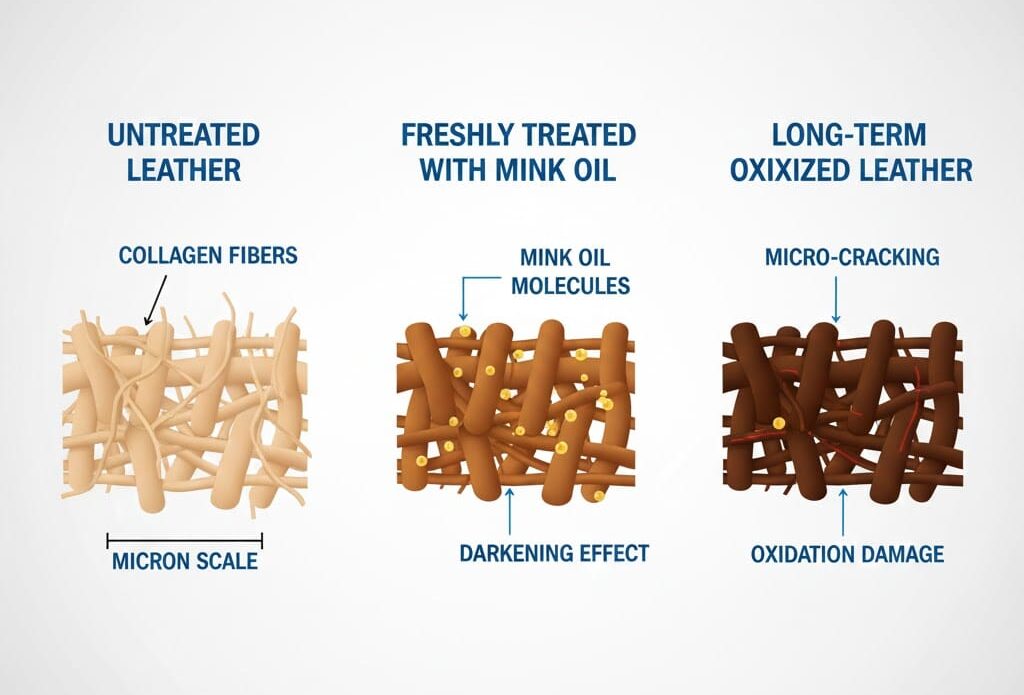
Leather absorbs mink oil efficiently because its palmitoleic acid content matches the fatty acids originally present in animal hides. This molecular compatibility restores flexibility in dry leather items such as work boots, saddles, leather wallets, or heritage jackets.






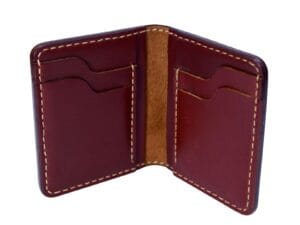
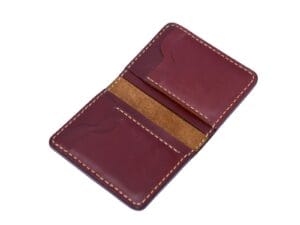


Three attributes make mink oil particularly effective:
1. Deep Fiber Penetration
Mink oil molecules move into the leather’s lower fiber layers, delivering softness beyond the surface. This penetration improves pliability in items exposed to harsh environments, such as hiking boots or tool pouches.
2. Improved Water Resistance
Mink oil fills micro-gaps in the grain, reducing water absorption. This barrier protects stitching and prevents moisture-related stiffness. The effect increases when the oil includes wax components.
3. Natural Oil Simulation
Leather originally contains fats lost through aging, sun exposure, and abrasion. Mink oil replaces these oils more accurately than heavy plant oils, which often sit on the surface rather than absorb.
These strengths make mink oil useful, though they also increase the risk of over-softening and long-term oxidative damage when applied too frequently.
How Is Mink Oil Made?
Mink oil comes from the rendering and refining of subcutaneous mink fat. The process produces a stable conditioning oil while removing undesirable impurities.
Rendering involves heating the fat until the lipids liquefy. Manufacturers then separate solids, filter the remaining oil, and refine it into a clean, light-colored product. Refining removes proteins and contaminants that would otherwise cause odors or rapid spoilage.
Modern mink oil products also blend:
- Beeswax
- Paraffin wax
- Silicone additives
- Antioxidants
These additions increase shelf life and enhance waterproofing performance. Waxes create a more durable surface layer, while antioxidants slow rancidity.
Ethical Considerations
Mink oil originates from the fur industry, where the fat is a by-product of pelting. Ethical evaluations vary. Some consumers prefer plant-based or synthetic alternatives to avoid animal-derived products, while others choose mink oil for its performance and longevity.
Understanding this background allows leather owners to make informed choices based on performance, ethics, and long-term care goals.
What Happens When You Use Mink Oil on Leather
Mink oil softens leather, increases water resistance, and restores flexibility, but it also darkens the surface, clogs pores, accelerates oxidation, and weakens structure when overused. These short- and long-term effects determine whether mink oil improves or harms a leather item.
Short-Term Effects
Mink oil delivers noticeable conditioning within minutes. Its unsaturated fats move deep into the collagen network, restoring softness and reducing stiffness. This benefit helps dry boots, aged bags, leather billfolds and cracked work gloves regain pliability.
Absorption also boosts water resistance. Treated leather repels moisture more effectively because the oil fills small gaps that usually allow water to penetrate. This effect becomes more pronounced when the product includes beeswax or paraffin.
Darkening occurs immediately. Mink oil deepens the leather’s tone, especially in lighter colors. Full-grain and crazy horse leathers show the largest visible change.
Long-Term Effects
Long-term chemistry changes define the biggest risks. Oxidation begins as the oil’s unsaturated fats react with oxygen. This slow process stiffens leather and accelerates cracking, especially when items are exposed to heat or sunlight.
Pore clogging reduces breathability. Leather fibers lose their ability to release moisture, increasing mildew and mold risk in humid environments.
Over-softening weakens structural firmness. Frequent applications cause collapse in boot shafts, wallets, or tool holsters.
Thread deterioration occurs when natural stitching absorbs oil. Cotton or linen threads swell, soften, and weaken over time. Excess residue collects dust and dirt, which abrades stitching further.
Heavy use also leaves a sticky surface film. This buildup traps grime, creating discoloration or mold when stored without proper ventilation.
Understanding these effects prevents leather owners from applying mink oil too frequently and helps them recognize when safer alternatives are appropriate.
Is Mink Oil Good for Leather?
Mink oil is good for dry, full-grain leather that needs softening and water resistance, but it becomes harmful when used on delicate, porous, or specialty leathers. Its benefits apply only to specific situations.
Quick Compatibility Overview
Mink oil works well on:
- Full-grain leather
- Crazy horse leather
- Heavily used work boots
Mink oil is unsuitable for:
- Suede
- Nubuck
- Patent leather
- Faux leather
- Very light-colored leathers
Its effectiveness depends on the leather’s thickness, intended use, and required breathability. The oil excels at reviving weathered leather but compromises structural integrity when used as a frequent maintenance product.
Pros of Mink Oil for Leather
Mink oil provides deep conditioning, strong water resistance, and visible revitalization of dry leather. These benefits appear most clearly on rugged and outdoor-oriented leather goods.
Key advantages include:
- Enhanced water resistance, especially when blended with waxes
- Deep conditioning that restores softness in dry or stiff leather
- Softening that improves flexibility in work boots and belts
- Revival of cracked surfaces, improving appearance and reducing brittleness
Mink oil remains valuable for owners of heavy-duty footwear or older full-grain items.
Cons of Mink Oil for Leather
Mink oil darkens leather, accelerates oxidation, and reduces long-term structural strength when applied frequently. These disadvantages create the largest information gaps competitors fail to cover.
Major drawbacks include:
- Permanent darkening, especially on lighter leathers
- Over-softening, leading to shape loss in boots and bags
- Breathability reduction from pore clogging
- Oxidation, which stiffens and cracks leather over time
- Thread deterioration, weakening cotton or linen stitching
- Mold or residue buildup, caused by excess oil
- Ethical concerns, due to animal-derived sourcing
These risks require users to limit application frequency and consider safer alternatives for everyday conditioning.
How to Apply Mink Oil Correctly
Correct mink oil application uses a thin, controlled layer that conditions leather without causing long-term oxidation, darkening, or residue buildup. This process protects structure when users follow precise steps.
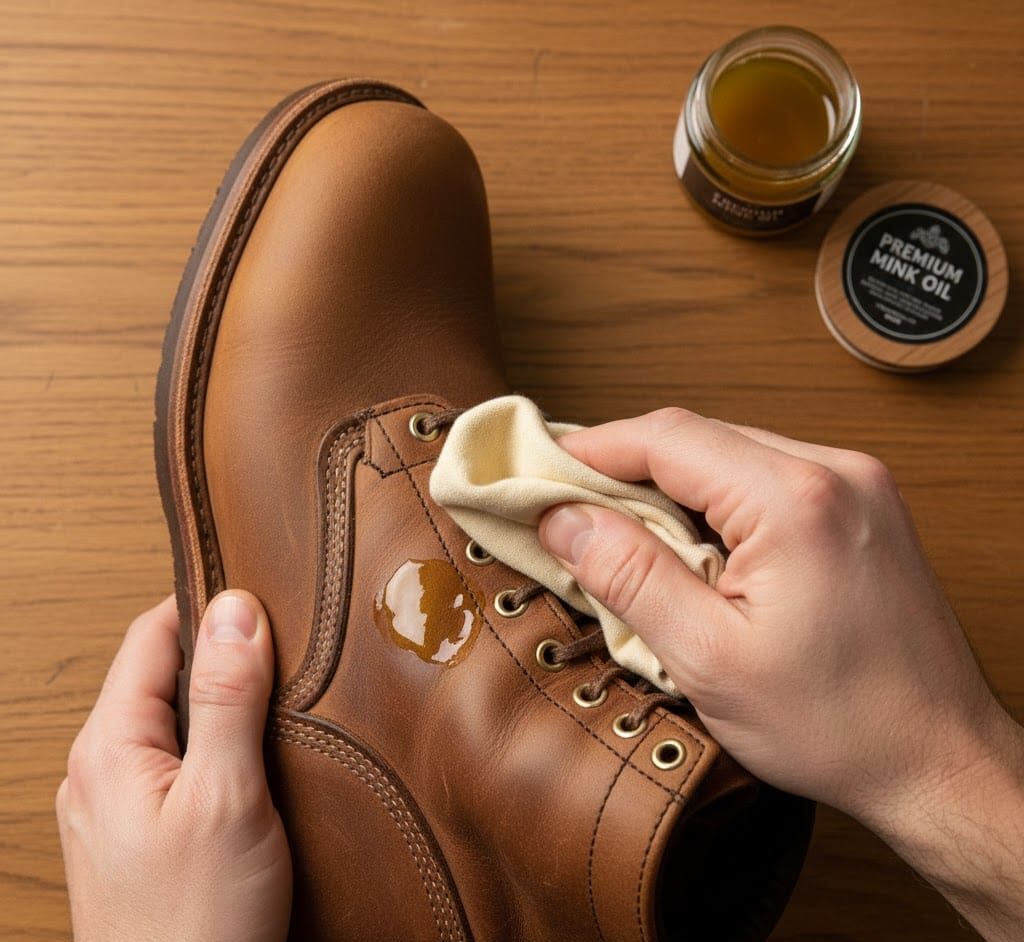
Step-by-Step Application Process
- Clean the leather
Remove dirt with a damp cloth or a leather-specific cleaner. Clean surfaces absorb oil evenly and avoid trapping debris. - Perform a patch test
Test a small hidden area. This confirms the level of darkening before treating the entire item. - Warm the oil slightly
Warm jars between your palms for 10–20 seconds. Warm oil spreads evenly and prevents blotching. - Apply a very thin layer
Use a soft cloth to apply a pea-sized amount to small leather sections. Thin layers prevent pore clogging and reduce oxidation risk. - Allow absorption
Let the leather rest for 10–15 minutes. Absorption allows oils to move into deep fibers and prevents surface residue. - Wipe off excess oil
Remove unabsorbed oil with a dry cloth. Excess accelerates mold growth and stitch deterioration. - Buff the surface
Buffing increases shine and removes micro-residue. This final step prepares boots, belts, and bags for use. - Allow 12–24 hours of rest
Resting cures the treatment fully. Leather regains structural firmness after deep absorption occurs.
How Much Mink Oil to Use
Use ¼ teaspoon for boots, ⅛ teaspoon for wallets or belts, and increase amounts only when leather appears dry. These quantities prevent saturation, over-softening, and thread damage.
How Often to Reapply
Reapply:
- Every 2–3 months for full-grain boots in harsh use
- Every 4–6 months for everyday belts or bags
- Never for suede, nubuck, patent, or faux leather
Infrequent use maintains benefits while avoiding oxidation-driven brittleness.
Common Application Mistakes to Avoid
- Applying thick layers
- Skipping cleaning
- Reapplying too often
- Using mink oil on unsuitable leather types
- Leaving excess oil on the surface
- Storing leather immediately after treatment
These mistakes create most long-term damage seen in poorly maintained leather goods.
Mink Oil for Different Leather Types
Leather type determines whether mink oil improves or destroys the material, because each leather absorbs oil differently and reacts uniquely to unsaturated fats.
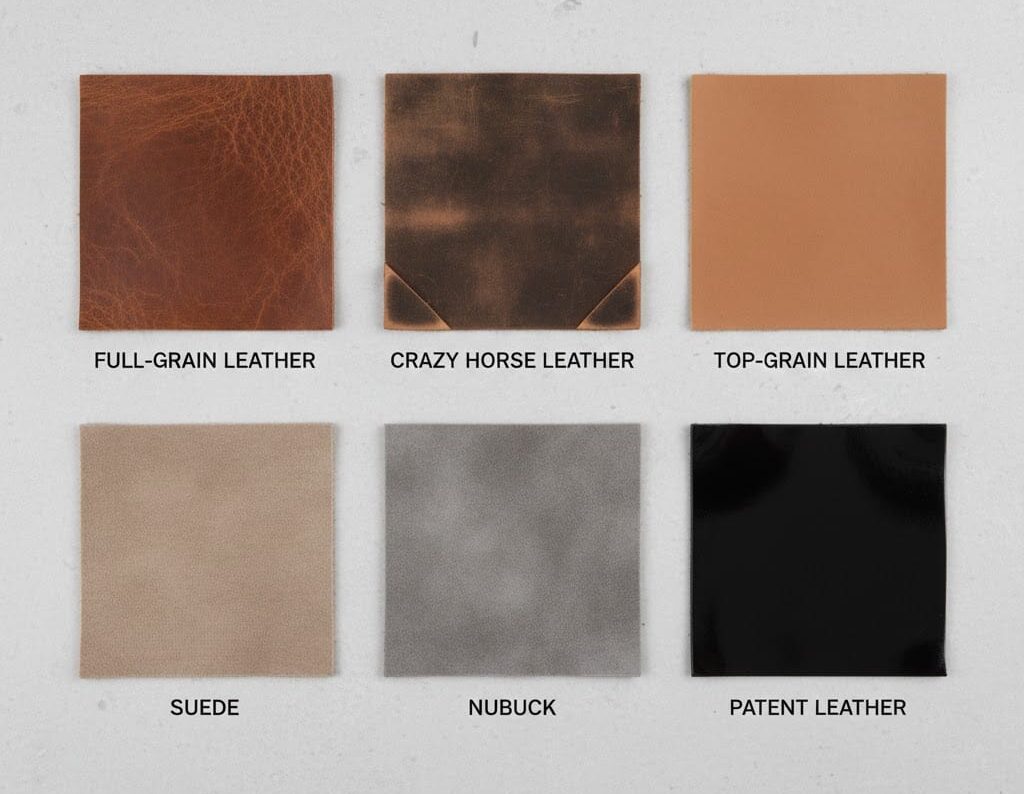
Below is the required compatibility table:
Leather Type Compatibility Table
| Leather Type | Use Mink Oil? | Notes |
|---|---|---|
| Full-grain | Yes | Great for dry leather; increases water resistance |
| Crazy horse | Yes | Darkens visibly; enhances patina |
| Top-grain | With caution | May over-soften; test before full application |
| Suede | No | Discolors and mats fibers |
| Nubuck | No | Ruins texture and surface feel |
| Patent leather | No | Non-absorbent; oil sits on surface |
| Faux leather | No | Oil will not absorb and causes residue |
Full-grain and crazy horse leathers benefit most because of their dense fiber structure. Suede and nubuck absorb unevenly, creating permanent stains and texture loss.
Mink Oil FAQs
Mink oil affects leather differently depending on type, frequency of use, and environmental conditions, which is why owners ask detailed questions about safety, darkening, and long-term effects. The answers below provide clear, practical guidance.
1. Which oil is best for leather?
The best oils for leather are specialized leather conditioners, beeswax-based blends, and jojoba oil, because these products condition without heavy oxidation. Mink oil works only for specific leathers and should not serve as a universal option.
2. Is mink oil a good conditioner and protectant for any leather wallet?
No. Mink oil conditions full-grain and crazy horse leather wallets, but it harms suede, nubuck, patent leather, and faux leather. Its benefits apply only to durable, absorbent leathers.
3. What does mink oil do to leather?
Mink oil softens, conditions, and enhances water resistance, while also darkening, reducing breathability, and increasing long-term oxidation. Overuse weakens stitching and causes residue buildup.
4. Should you use mink oil on leather goods?
Use mink oil only when leather is dry or stiff and only if the leather type is compatible. Limit applications to avoid oxidation-related cracking.
5. How to apply mink oil correctly?
Apply a thin layer to clean leather, wipe excess, buff lightly, and allow 12–24 hours of resting time. Always patch-test first.
6. Will mink oil darken my leather products?
Yes. Mink oil causes permanent darkening, especially on tan, natural, or light-brown leathers. This effect appears immediately after application.
7. Can mink oil make leather too soft or stretchy?
Yes. Frequent applications soften fibers excessively, causing boots to sag or lose structure.
8. Can mink oil cause leather to become too greasy or oily?
Yes. Thick or frequent layers lead to surface greasiness, dust attraction, and mold formation.
9. Does mink oil lead to leather deterioration over time?
Yes. Oxidation from unsaturated fats stiffens leather and accelerates cracking, especially in warm environments.
10. What is the most damaging thing to leather?
Environmental factors—heat, UV exposure, moisture, and improper oils—cause the fastest deterioration. Oxidized oils sit high on the list of damaging elements.
11. Are there alternatives to mink oil for leather care that avoid these drawbacks?
Yes. Jojoba oil, macadamia oil, synthetic conditioners, and beeswax balms provide conditioning without heavy darkening or oxidation.
12. Is mink oil good for boots?
Yes, for full-grain or crazy horse boots used outdoors. It offers effective short-term conditioning but should not be used monthly because of oxidation risks.
Alternatives to Mink Oil for Leather Care
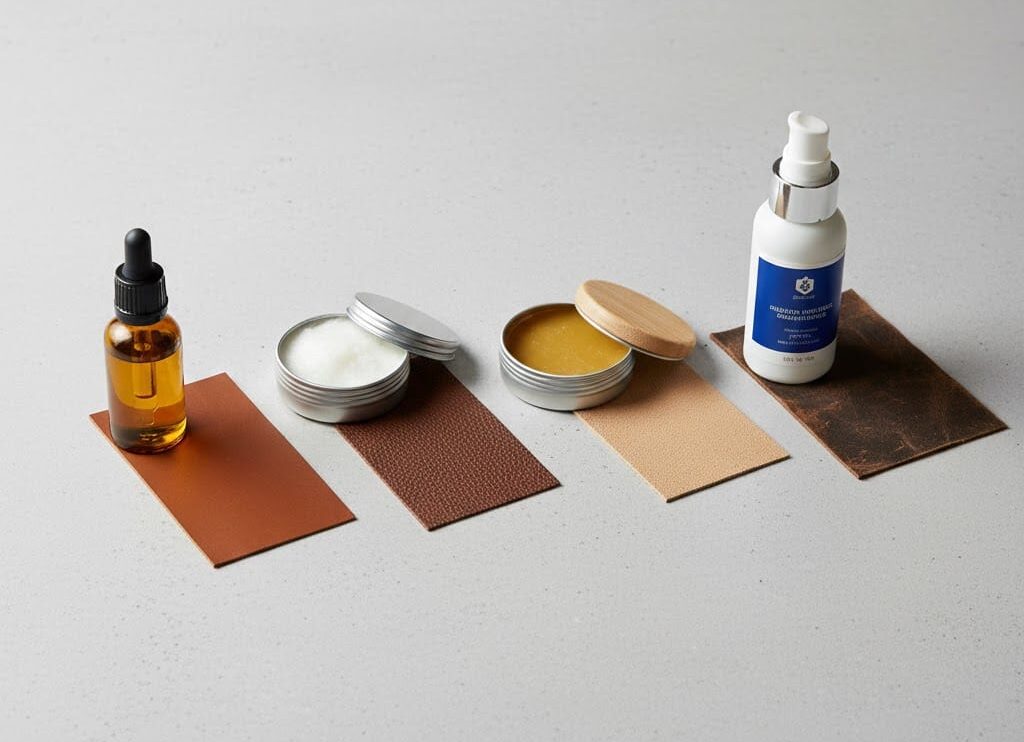
Several alternatives provide conditioning without the long-term oxidation risks associated with mink oil. These options suit owners seeking ethical or low-darkening treatments.
Common Alternatives
- Jojoba oil — Stable, non-oxidizing, suitable for routine conditioning
- Macadamia oil — Light, natural, and compatible with many leather types
- Beeswax-based balms — Provide excellent waterproofing
- Synthetic conditioners — Modern formulas reduce darkening and preserve breathability
| Product Type | Pros | Cons | Best For |
|---|---|---|---|
| Jojoba oil | Non-oxidizing; absorbs well | Minimal waterproofing | Everyday conditioning |
| Macadamia oil | Light; natural; mild scent | Slight darkening | Lighter leathers |
| Beeswax balm | Strong waterproofing; protective layer | Can stiffen leather slightly | Outdoor boots |
| Synthetic conditioners | Stable; long-lasting; safe on most items | Costlier than oils | General leather care |
Storage, Safety & Long-Term Care
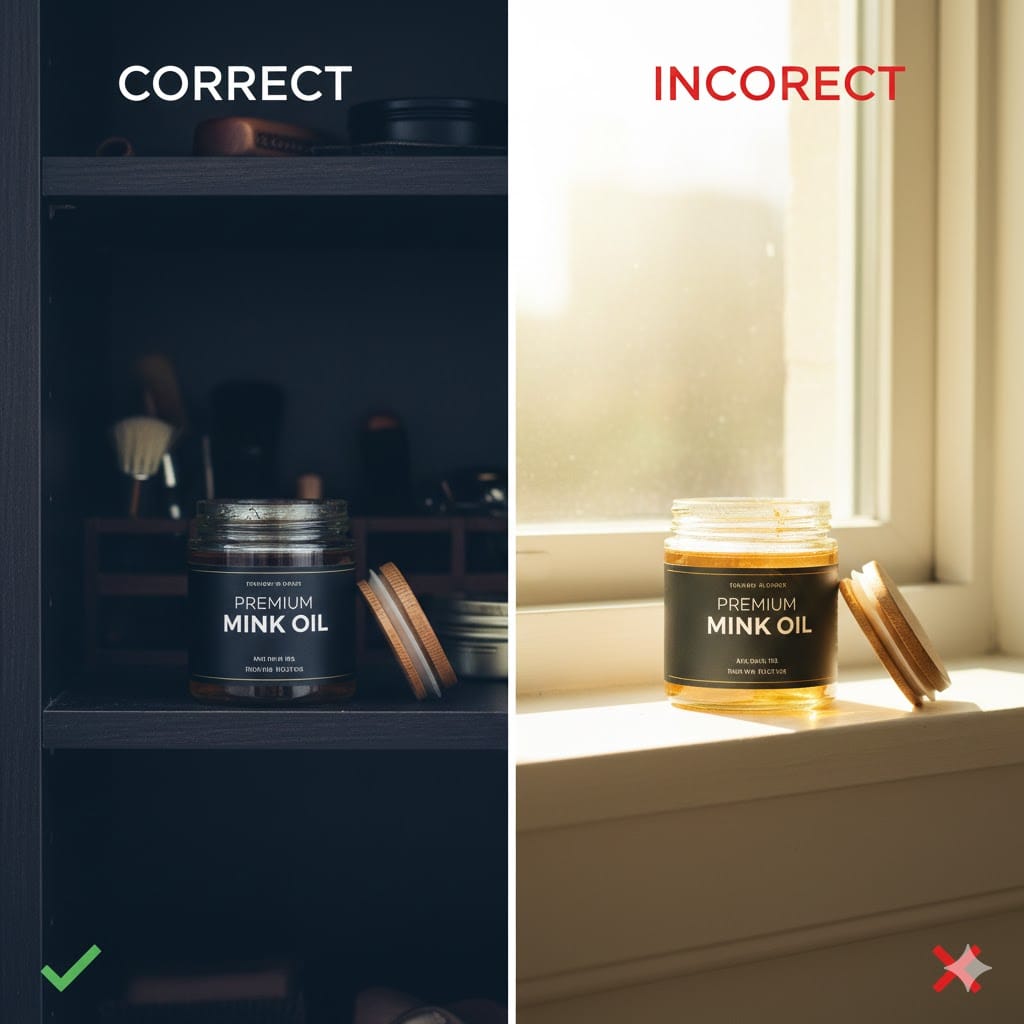
Safe mink oil use requires careful storage, controlled application frequency, and regular leather maintenance to prevent oxidation, rancidity, and residue buildup.
Storage Rules
- Store mink oil in a cool, dry place
- Keep containers sealed to prevent air exposure
- Avoid sunlight and heat, which accelerate rancidity
Preventing Rancidity
Animal oils spoil when exposed to oxygen and light. Rancid oil smells sour and accelerates leather breakdown. Replace mink oil every 12–18 months.
Cleaning Off Excess
Use a microfiber cloth or gentle leather cleaner to remove sticky films. Removing buildup prevents mold growth and thread damage.
Long-Term Application Frequency
Limit mink oil to:
- 2–3 times per year for full-grain boots
- 1–2 times per year for belts and bags
- 0 times for suede, nubuck, patent, or faux leather
These intervals maintain benefits without triggering oxidation.